
Tailor-Made Solution
-
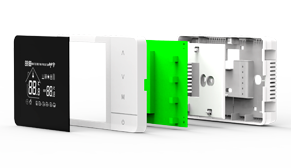
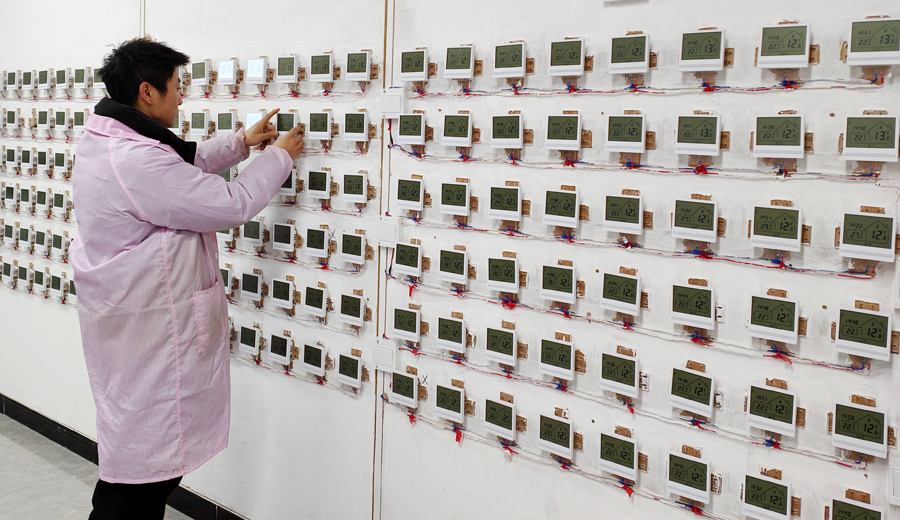
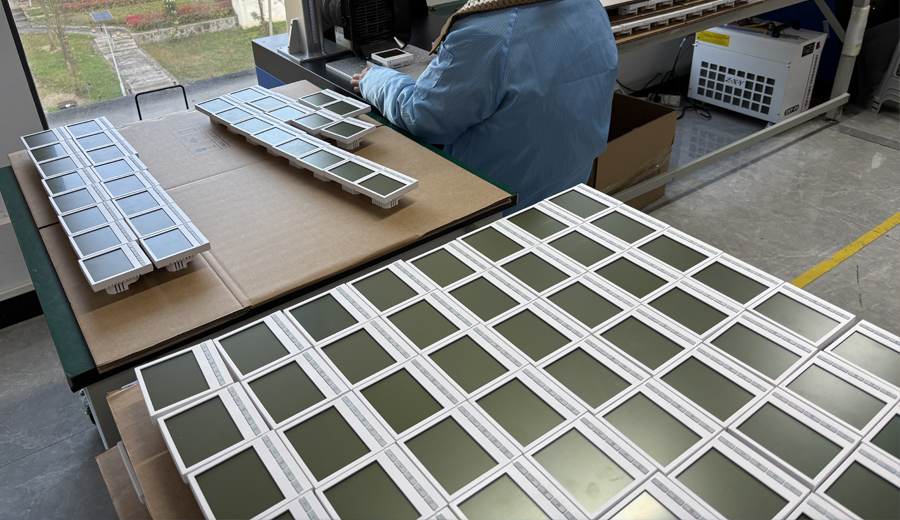
From ID design, scheme development, software application, to production and delivery to customers, every step is strictly controlled to ensure that each product is of high quality.
-
From ID design, scheme development, software application, to production and delivery to customers, every step is strictly controlled to ensure that each product is of high quality.
-
From ID design, scheme development, software application, to production and delivery to customers, every step is strictly controlled to ensure that each product is of high quality.
-
From ID design, scheme development, software application, to production and delivery to customers, every step is strictly controlled to ensure that each product is of high quality.
Products
 Furnace Thermostats
 Hydronic Thermostats
 Electric Heating Thermostats
 Smart Dimmer Switch
 Smart Gateway Hub
 Smart Outlet
- Zigbee Thermostatic Radiator Valve
- LED WiFi Thermostatic Radiator Valve
- WiFi Thermostat for Underfloor Heating
- Wireless Furnace Thermostat
- Oil Furnace Thermostat
- Knob Design Smart Furnace Thermostat
- Gas Furnace Thermostat
- OEM Furnace Thermostat
- WiFi Furnace Thermostat
- Programmable Furnace Thermostat
- Smart WiFi Thermostat for Water Heating
- Knob Design Smart Hot Water Thermostat
- Wireless Hydronic Thermostat
- WiFi Water Heater Thermostat
- Boiler Heating Thermostat
- Smart Water Heater Thermostat
- Hydronic Floor Heating Thermostat
- Programmable Water Heater Thermostat
- Wireless Electric Heating Thermostats
- Electric Heating Smart Thermostat
- Knob Design Smart Thermostat for Electric Heating
- Wireless Thermostat for Electric Heating Systems
- OEM Manufacturer of Smart Electric Heating Thermostats
- WiFi Electric Heating Thermostats
- Programmable Electric Heating Thermostat
- 4 Gang WiFi Touch Smart Light Switch
- 3 Gang WiFi Touch Smart Light Switch
- 2 Gang WiFi Touch Smart Light Switch
- 1 Gang WiFi Touch Smart Light Switch
-
Zigbee Thermostatic Radiator Valve
Remote control
Voice control
Programmable
Child lock / Frost protection / Temperature calibration
Quick to install and easy to use
Read More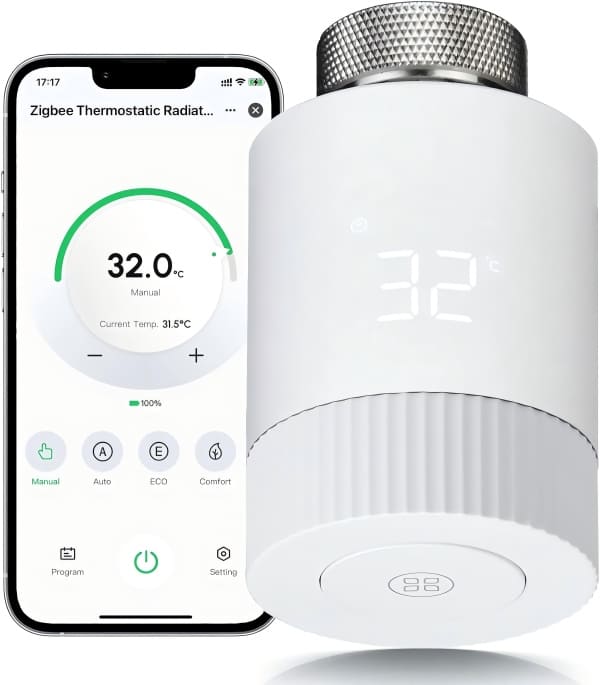
-
LED WiFi Thermostatic Radiator Valve
Only Wi-Fi connection required
Compatible with most heater manufacturers
Intelligent control
Energy-saving
Easy to install
Read More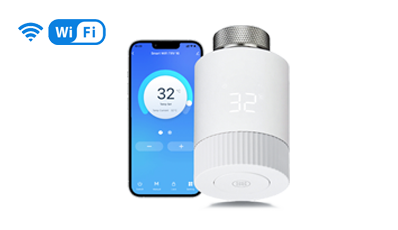
-
WiFi Thermostat for Underfloor Heating
Flexible Control for Heating & Water Systems
Smart Heating via App & Voice Commands
Custom Weekly Schedule for Higher Efficiency
Complete Package for Instant Use
Versatile Extra FunctionsRead More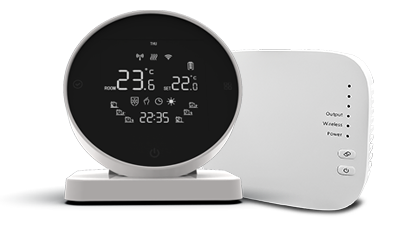
-
Wireless Furnace Thermostat
LED touch screen
APP Control
Manual/Automatic Mode
Accurate Temperature
Memory FunctionRead More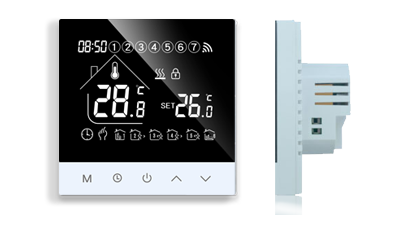
-
Oil Furnace Thermostat
LED touch screen
APP Control
Manual/Automatic Mode
Accurate Temperature
Memory FunctionRead More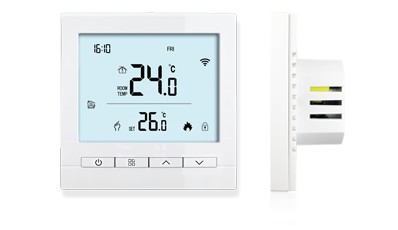
-
Knob Design Smart Furnace Thermostat
LED touch screen
APP Control
Manual/Automatic Mode
Accurate Temperature
Memory FunctionRead More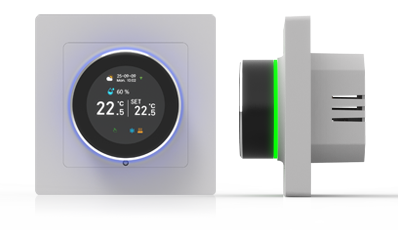
-
Gas Furnace Thermostat
LED touch screen
APP Control
Manual/Automatic Mode
Accurate Temperature
Memory FunctionRead More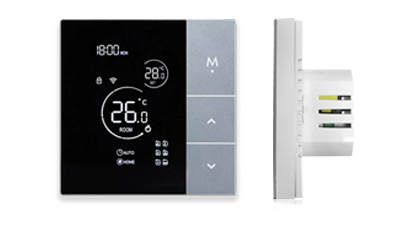
-
OEM Furnace Thermostat
LED touch screen
APP Control
Manual/Automatic Mode
Accurate Temperature
Memory FunctionRead More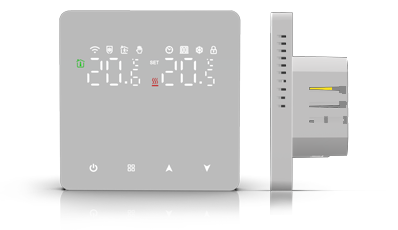
-
WiFi Furnace Thermostat
LED touch screen
APP Control
Manual/Automatic Mode
Accurate Temperature
Memory FunctionRead More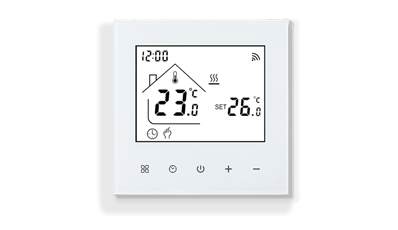
-
Programmable Furnace Thermostat
LED touch screen
APP Control
Manual/Automatic Mode
Accurate Temperature
Memory FunctionRead More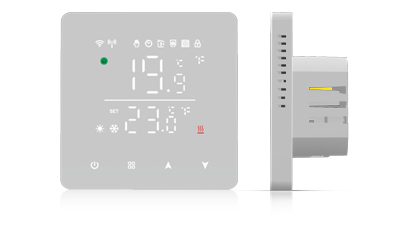
-
Smart WiFi Thermostat for Water Heating
Flexible Control for Heating & Water Systems
Smart Heating via App & Voice Commands
Custom Weekly Schedule for Higher Efficiency
Complete Package for Instant Use
Versatile Extra FunctionsRead More -
Knob Design Smart Hot Water ThermostatRead More
-
Wireless Hydronic Thermostat
LED touch screen
APP Control
Manual/Automatic Mode
Accurate Temperature
Memory FunctionRead More -
WiFi Water Heater Thermostat
LED touch screen
APP Control
Manual/Automatic Mode
Accurate Temperature
Memory FunctionRead More -
Boiler Heating Thermostat
LED touch screen
APP Control
Manual/Automatic Mode
Accurate Temperature
Memory FunctionRead More -
Smart Water Heater Thermostat
LED touch screen
APP Control
Manual/Automatic Mode
Accurate Temperature
Memory FunctionRead More -
Hydronic Floor Heating Thermostat
LED touch screen
APP Control
Manual/Automatic Mode
Accurate Temperature
Memory FunctionRead More -
Programmable Water Heater Thermostat
LED touch screen
APP Control
Manual/Automatic Mode
Accurate Temperature
Memory FunctionRead More
-
Wireless Electric Heating Thermostats
LED touch screen
APP Control
Manual/Automatic Mode
Accurate Temperature
Memory FunctionRead More -
Electric Heating Smart Thermostat
LED touch screen
APP Control
Manual/Automatic Mode
Accurate Temperature
Memory FunctionRead More -
Knob Design Smart Thermostat for Electric Heating
LED touch screen
APP Control
Manual/Automatic Mode
Accurate Temperature
Memory FunctionRead More -
Wireless Thermostat for Electric Heating Systems
LED touch screen
APP Control
Manual/Automatic Mode
Accurate Temperature
Memory FunctionRead More -
OEM Manufacturer of Smart Electric Heating Thermostats
LED touch screen
APP Control
Manual/Automatic Mode
Accurate Temperature
Memory FunctionRead More -
WiFi Electric Heating Thermostats
LED touch screen
APP Control
Manual/Automatic Mode
Accurate Temperature
Memory FunctionRead More -
Programmable Electric Heating Thermostat
LED touch screen
APP Control
Manual/Automatic Mode
Accurate Temperature
Memory FunctionRead More
-
4 Gang WiFi Touch Smart Light Switch
Voice Control
Device Sharing
Remote Control
Smart Scene Linkage
Time Schedule Setting
Read More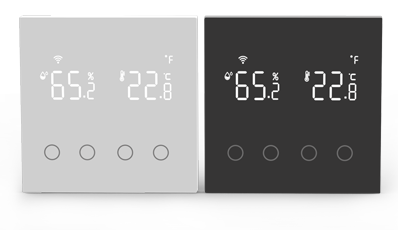
-
3 Gang WiFi Touch Smart Light Switch
Voice Control
Device Sharing
Remote Control
Smart Scene Linkage
Time Schedule Setting
Read More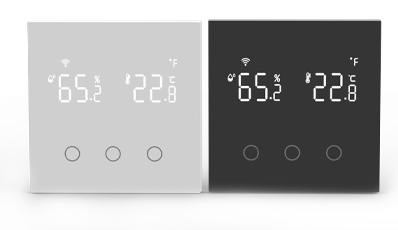
-
2 Gang WiFi Touch Smart Light Switch
Voice Control
Device Sharing
Remote Control
Smart Scene Linkage
Time Schedule Setting
Read More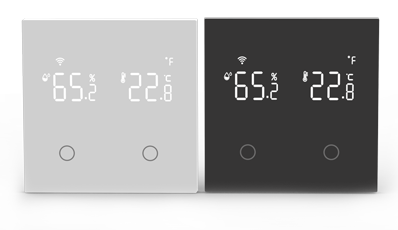
-
1 Gang WiFi Touch Smart Light Switch
Voice Control
Device Sharing
Remote Control
Smart Scene Linkage
Time Schedule Setting
Read More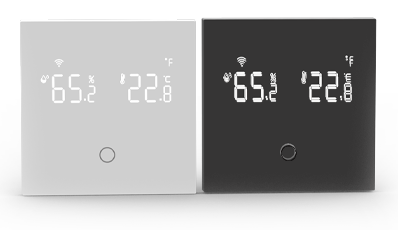
-
Tuya Zigbee Bluetooth Gateway Hub
Supports ZigBee + Bluetooth dual-mode communication
Connects wirelessly via 2.4G WiFi
Serves as a smart home hub to link most Tuya-compatible devices
Real-time status display (connected device count + WiFi status)
App-based control and management
Voice control via Amazon Alexa / Google Assistant
Group control and third-party integration
No network cable required for setup
Read More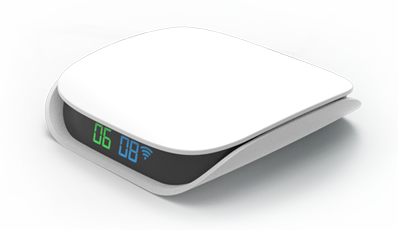
Solutions
-
Customized thermostat control solutions for gas boiler and water heating systems with APP control, energy-saving functions and smart temperature management.

-
Smart thermostat solutions for electric and hydronic underfloor heating systems, featuring precise temperature control, programmable scheduling and WiFi remote management.

-
Integrated smart HVAC control systems designed formodern smart homes, supporting WiFi connectivity, voicecontrol and intelligent automation.

-
Energy-efficient programmable thermostat solutions designed to optimize heating performance, reduce energy consumption and improve user comfort.

-
Reliable thermostat and heating control solutions foroffices, hotels, apartments and commercial buildings withcentralized temperature management.

-
One-stop OEM/ODM customization services including IDdesign, PCB development, APP integration, prototyping andmass production for smart thermostat projects.

Blog
-
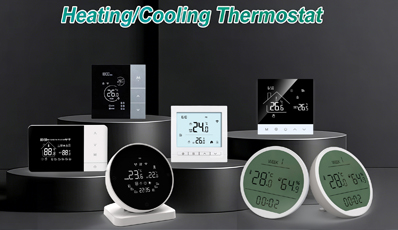
Professional OEM/ODM Thermostat Development Knowledge
-
Find the Right Smart Thermostat for Your Heating System
-
Understand Modern Heating Systems and Smart Temperature Control
-
Latest Smart Home Innovations and HVAC Market Trends
-
Explore the Future of Smart Thermostat Technology
Service & Support
-
Video Tutorials for Smart Thermostat Products and Technologies

-
Frequently Asked Questions About Smart Thermostats
-
Professional Support for Smart Thermostat Solutions
-
Download Smart Thermostat Resources and Technical Files
About Us
-
Innovating Smart Heating Control Technologies

-
Reliable OEM/ODM Partner for Smart Thermostat Projects
-
-
Contact Our Smart Thermostat Experts















 Contact Us
